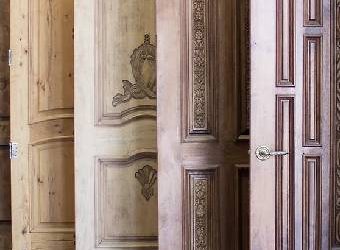
A custom wood door should use contrasting wood species when the design needs stronger visual definition, repeated architectural accents, or a clear distinction between panels, borders, and structural elements. The contrast should feel intentional and coordinated with the home rather than appearing as an unrelated mix of materials.
For Phoenix homeowners, combining wood species can be an effective way to add depth without relying on excessive ornamentation. The key is to control the difference in color, grain, and texture so the door remains balanced.
What Does Contrasting Wood Species Mean?
Contrasting wood species means using two or more types of wood within one door design. The woods may differ in color, grain pattern, texture, or visual weight.
For example, a lighter central panel may be framed by darker rails and stiles. A subtle accent species may be used in narrow inlays, borders, or geometric details. In other cases, one species may be chosen for the primary structure while another provides a decorative focal point.
Contrast does not always need to be dramatic. Two woods with related undertones but different grain patterns can create a restrained effect. Stronger color differences produce a more noticeable and graphic result.
When Can Contrast Help Define the Door’s Structure?
Contrasting species can clarify how a custom wood door is constructed. Rails, stiles, panels, and borders may become easier to distinguish when selected elements use a different wood.
This approach works especially well in doors with strong geometric organization. A darker frame around lighter panels can emphasize proportion and symmetry. Narrow contrasting strips can outline panel divisions without requiring carved details.
The effect can be particularly useful on large doors. Broad surfaces sometimes need additional visual structure so the design does not appear flat from a distance.
However, every structural component does not need a different treatment. Too many changes can make the door feel fragmented. One primary wood and one supporting species are often enough.
Which Architectural Styles Work Well With Mixed Woods?
Contrasting wood species can suit several architectural styles when the combination reflects the home’s broader design language.
Contemporary and modern homes may use clean, linear contrast. A dark inlay across a lighter wood surface can reinforce horizontal or vertical lines found in windows, rooflines, or exterior cladding.
Traditional homes may use a darker border or central panel to create a formal, symmetrical appearance. Spanish-style and Southwestern homes can incorporate contrasting details that relate to beams, cabinetry, tile, or decorative metalwork.
Rustic homes may allow more natural variation, but the species should still appear connected. One wood might provide strong grain while another creates a calmer frame around it.
The combination should support the architecture rather than introduce a decorative style that appears nowhere else on the property.
Should the Door Repeat Woods Already Used in the Home?
A contrasting species can help connect the door to other permanent materials in the home. It may repeat the darker tone of ceiling beams, the grain character of cabinetry, or an accent found in interior flooring.
Exact matching is rarely necessary. Natural wood varies, and existing materials may have changed in appearance over time. Coordination usually comes from shared undertones and visual character rather than identical color.
A custom wood entry door might use one species that relates to the exterior architecture and a second that connects with the foyer. This can help the door transition between the two sides of the home.
The same strategy can be used for custom wood interior doors. A secondary wood may repeat details from built-ins, stair components, or neighboring doors without making every wood surface identical.
How Much Contrast Is Appropriate?
The amount of contrast should reflect the size of the door, the complexity of the design, and the surrounding materials.
A home with detailed masonry, patterned tile, carved trim, or prominent metalwork may benefit from a quieter wood combination. If the exterior is simple, a stronger contrast can give the entrance more definition.
Common levels of contrast include:
- Subtle differences in grain
- Related colors with different visual texture
- Light and medium wood combinations
- Dark borders around lighter panels
- Narrow accent inlays
- Distinctive geometric patterns
The strongest contrast should usually appear where the design needs emphasis. If every section competes for attention, the overall composition may become difficult to read.
How Do Grain Patterns Affect the Combination?
Color is only one part of the decision. Grain pattern can create as much contrast as tone.
A straight-grain wood paired with a more expressive species can produce a layered appearance even when their colors are similar. A bold grain may work best as the focal material, while a quieter species creates visual stability around it.
Grain direction should also be coordinated. Vertical grain can reinforce height, while horizontal grain may emphasize width. Contrasting woods arranged in opposing directions can create a strong graphic effect, but the relationship must be carefully planned.
Too many competing grain directions can make the door appear busy. A consistent orientation with selective contrasting accents often provides a more controlled result.
Can Contrasting Woods Work on Interior Doors?
Yes. Custom wood interior doors can use contrasting species to distinguish public rooms, define important openings, or connect different areas of the home.
A pair of dining-room doors might include a contrasting border that relates to nearby cabinetry. An office door may use darker wood around glass panels. A pantry or closet door can repeat the same accent in a simpler format.
The design does not need to be repeated exactly across every room. A consistent secondary species can act as a visual thread while the door configurations change.
For homes with open floor plans, this repetition can help separate spaces without making them feel disconnected.
What Should Be Considered for Phoenix Homes?
Phoenix homes often include a broad range of materials, including stucco, stone, tile, glass, metal, and exposed wood. A mixed-species door should be considered in relation to all of them.
Strong Arizona light can make differences in color and grain more visible. A subtle contrast indoors may appear much stronger at an exposed entrance. Deep shade can have the opposite effect, reducing the distinction between the species.
Samples should be viewed near the actual doorway and at different times of day. Homeowners should also consider the orientation of the entrance, surrounding walls, nearby windows, and the interior materials visible from the foyer.
Because natural wood may change in appearance over time, the design should remain effective even as the tones deepen or soften.
When Should Contrasting Species Be Avoided?
Mixed woods may not be necessary when the selected species already has expressive grain, strong color variation, or distinctive natural figure.
They may also be unnecessary when the door includes several other focal features, such as carved panels, large glass areas, decorative hardware, or a complex shape. Adding another material relationship could make the design feel overworked.
A single species often provides the strongest result when the goal is simplicity, continuity, or a calm modern appearance.
The choice should be based on whether contrast solves a design problem. It should not be added simply because customization makes it possible.
How Can Homeowners Plan a Balanced Mixed-Wood Door?
Homeowners should begin by identifying the primary wood and deciding which areas need emphasis. The secondary species can then be limited to those locations.
It is helpful to review:
- Overall door proportions
- Grain direction
- Color and undertones
- Nearby flooring, cabinets, and beams
- Exterior stone, stucco, and metal
- Glass and hardware placement
- Available sunlight
- Viewing distance
Companies such as Anasazi Architectural Door create custom made wooden doors that can be developed around the entrance, architecture, and natural characteristics of each selected species.
When contrasting woods are used with restraint, they can give solid wood custom doors greater definition and individuality while preserving a clear, unified design.