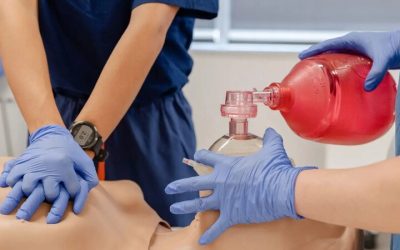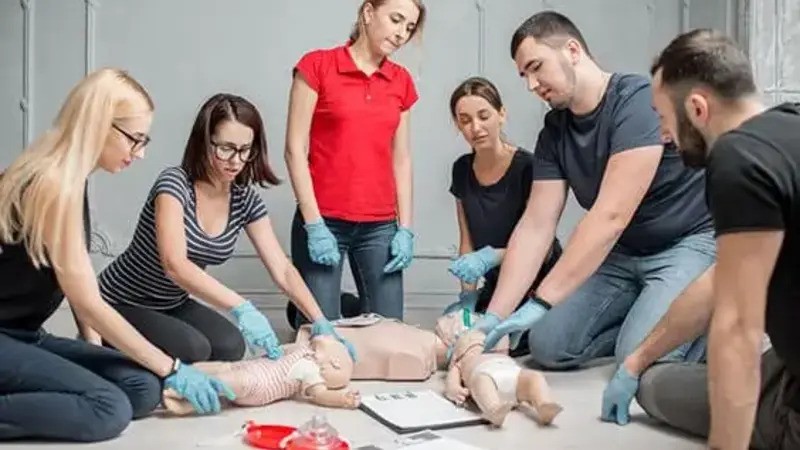
Workplace emergencies can happen without warning, regardless of industry or business size. From sudden cardiac arrest and choking incidents to falls and other injuries, employees may find themselves in situations where immediate action is necessary. This is why workplace CPR training, first aid and CPR training, and ongoing CPR certification classes are valuable components of a comprehensive workplace safety program.
In Phoenix, AZ, businesses face a variety of workplace safety challenges, including heat-related illnesses, physical injuries, and unexpected medical emergencies. Providing employees with CPR and first aid knowledge helps create safer work environments while improving emergency preparedness across the organization.
What Is Workplace CPR Training?
Workplace CPR training teaches employees how to recognize and respond to medical emergencies before professional responders arrive. Participants learn practical skills that can help support an individual experiencing cardiac arrest, breathing difficulties, choking, or other urgent medical conditions.
Training often includes:
- Adult CPR techniques
- AED awareness and operation
- Choking response procedures
- Emergency scene assessment
- Basic first aid skills
- Communication during emergencies
The goal is to help employees respond confidently and effectively during situations where every second matters.
Why Are Medical Emergencies a Workplace Concern?
Many people associate workplace injuries with construction sites or industrial environments, but emergencies can occur in any workplace. Offices, retail stores, schools, warehouses, healthcare facilities, and hospitality businesses all face potential risks.
Common workplace emergencies include:
- Cardiac arrest
- Choking incidents
- Slips and falls
- Burns
- Allergic reactions
- Heat exhaustion
- Seizures
- Breathing emergencies
Without proper preparation, employees may feel uncertain about how to respond when emergencies occur. First aid and CPR training provide a structured approach to emergency response.
How Does First Aid and CPR Training Improve Workplace Safety?
Safety programs often focus on prevention, but emergency response planning is equally important. First aid and CPR training help bridge the gap between prevention and emergency action.
Benefits include:
- Faster response times
- Improved employee confidence
- Better communication during emergencies
- Increased preparedness
- Reduced panic during critical situations
When employees understand basic emergency procedures, they can take action while waiting for professional medical assistance to arrive.
What Skills Are Taught During CPR Certification Classes?
CPR certification classes combine instruction with hands-on practice to help participants build practical skills.
Most courses include:
CPR Techniques
Participants learn proper chest compression methods and rescue breathing procedures for adults.
AED Awareness
Automated External Defibrillators (AEDs) can significantly improve survival rates during cardiac emergencies. Training helps participants understand when and how to use these devices.
Choking Response
Employees learn techniques for helping adults who are experiencing airway obstruction.
Basic First Aid Procedures
Training may include wound care, burn treatment, injury assessment, and response strategies for common workplace incidents.
Emergency Communication
Participants learn how to coordinate with coworkers and emergency responders during medical situations.
These skills help employees become more effective responders during emergencies.
Why Is CPR Training Valuable for Office Environments?
Many people assume CPR training is only necessary in physically demanding workplaces. However, cardiac emergencies can occur anywhere, including office settings.
Office employees often spend long hours together, making coworkers the first people available during emergencies. CPR training prepares employees to:
- Recognize signs of cardiac arrest
- Begin CPR quickly
- Access workplace AEDs
- Assist until emergency responders arrive
Even in low-risk workplaces, preparedness can make a significant difference.
How Does First Aid Training Support Employee Well-Being?
Employees often feel more secure knowing their workplace prioritizes safety and preparedness. Training demonstrates a commitment to employee well-being while fostering a stronger safety culture.
Organizations that invest in workplace CPR training often experience:
- Greater safety awareness
- Increased employee confidence
- Better teamwork
- Stronger emergency response readiness
Prepared employees are more likely to remain calm and focused during unexpected situations.
Should Small Businesses Offer CPR Training?
Emergency preparedness is important for businesses of all sizes. Small businesses may have fewer employees available to respond during emergencies, making CPR and first aid knowledge even more valuable.
Small business training programs help:
- Improve emergency readiness
- Strengthen safety procedures
- Prepare employees for medical incidents
- Support workplace compliance goals
A workplace does not need hundreds of employees to benefit from CPR education.
How Often Should Employees Renew CPR Certification?
Many CPR certifications remain valid for approximately two years. Regular renewal courses help employees maintain confidence and stay current with updated guidelines.
Refresher training allows participants to:
- Practice essential skills
- Review emergency procedures
- Strengthen response techniques
- Improve long-term retention
Consistent training helps organizations maintain a reliable emergency response capability.
Build a Safer Workplace Through Trusted CPR Training
Workplace emergencies are unpredictable, but preparation can make a significant difference. First aid and CPR training help employees develop practical skills that support faster response times and improved emergency readiness.
For businesses seeking additional workplace safety resources, CPR Solutions AZ offers trusted CPR training and educational programs designed to support emergency preparedness.