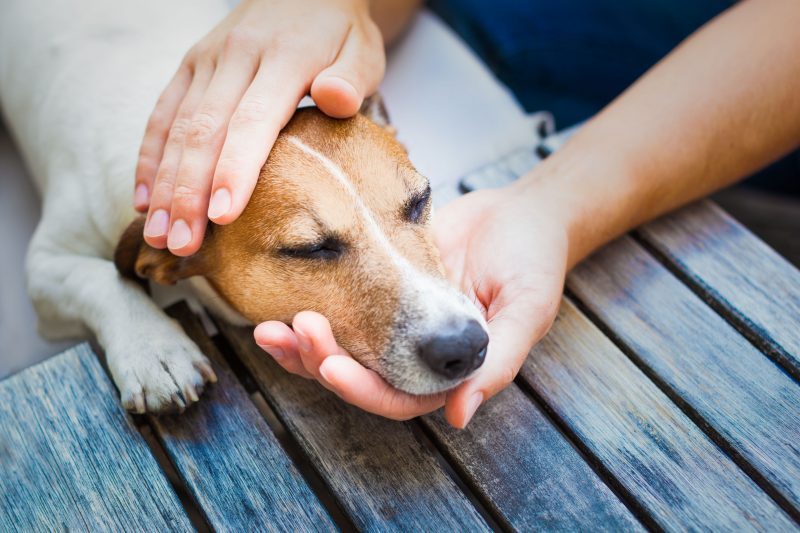
Seeing your dog struggle with mobility issues can be heartbreaking. Whether due to injury, age-related conditions, or congenital problems, many dogs experience pain and reduced activity levels at some point in their lives. For pet owners searching for effective ways to support their furry friends, typing “Orthopedic Brace For Dog” into a search engine often leads to promising solutions that can restore comfort and improve quality of life.
Understanding Orthopedic Braces for Dogs
Orthopedic braces are specialized devices designed to support a dog’s joints, muscles, or bones. These braces can be used for various conditions, including ligament injuries, arthritis, hip dysplasia, and post-surgical recovery. By providing targeted support, an orthopedic brace can help stabilize affected areas, reduce pain, and promote healing.
Common Reasons Dogs Need Orthopedic Braces
Dogs may require orthopedic braces for several reasons, including:
• Injury Recovery: Sprains, strains, and ligament tears often benefit from additional support during the healing process.
• Chronic Conditions: Arthritis and degenerative joint diseases can cause ongoing discomfort and reduced mobility.
• Age-Related Weakness: Senior dogs frequently experience muscle weakness and joint instability.
• Post-Surgical Support: After orthopedic surgery, braces help protect the affected area and prevent re-injury.
Benefits of Using an Orthopedic Brace
The primary goal of using an orthopedic brace is to enhance your dog’s comfort and mobility. Here are some key benefits:
• Pain Relief: By stabilizing joints and limiting unwanted movement, braces can significantly reduce pain.
• Improved Mobility: Dogs are often able to walk, run, or play more comfortably with the added support.
• Faster Recovery: Supporting healing tissues can speed up recovery times after injury or surgery.
• Prevention of Further Injury: Braces can limit excessive movement that could worsen existing injuries.
For pet owners, seeing a beloved companion regain the ability to enjoy walks or playtime is incredibly rewarding.
How to Choose the Right Orthopedic Brace
Selecting the correct brace is essential for optimal results. Here are some factors to consider:
1. Diagnosis: Consult your veterinarian for a proper diagnosis and recommendations tailored to your dog’s specific needs.
2. Fit and Comfort: Ensure the brace fits snugly but comfortably, allowing for natural movement without causing irritation.
3. Material Quality: Look for braces made from durable, breathable materials to prevent skin issues and ensure longevity.
4. Adjustability: Adjustable straps and closures help achieve a secure fit as your dog’s condition changes.
Tips for Successful Brace Use
Introducing a new orthopedic device to your dog may require patience. Here are some practical tips:
• Gradually increase the amount of time your dog wears the brace each day.
• Monitor for signs of discomfort, such as licking or chewing at the brace.
• Regularly check for skin irritation or pressure sores.
• Follow your veterinarian’s instructions regarding brace use and physical activity.
Helping Your Dog Live Comfortably Again
Supporting your dog through mobility challenges can make a significant difference in their well-being. With the right orthopedic brace and proper care, many dogs experience reduced pain, improved movement, and a happier, more active life. Prioritizing your pet’s comfort and working closely with your veterinarian ensures the best possible outcome, allowing your dog to enjoy everyday activities once again.