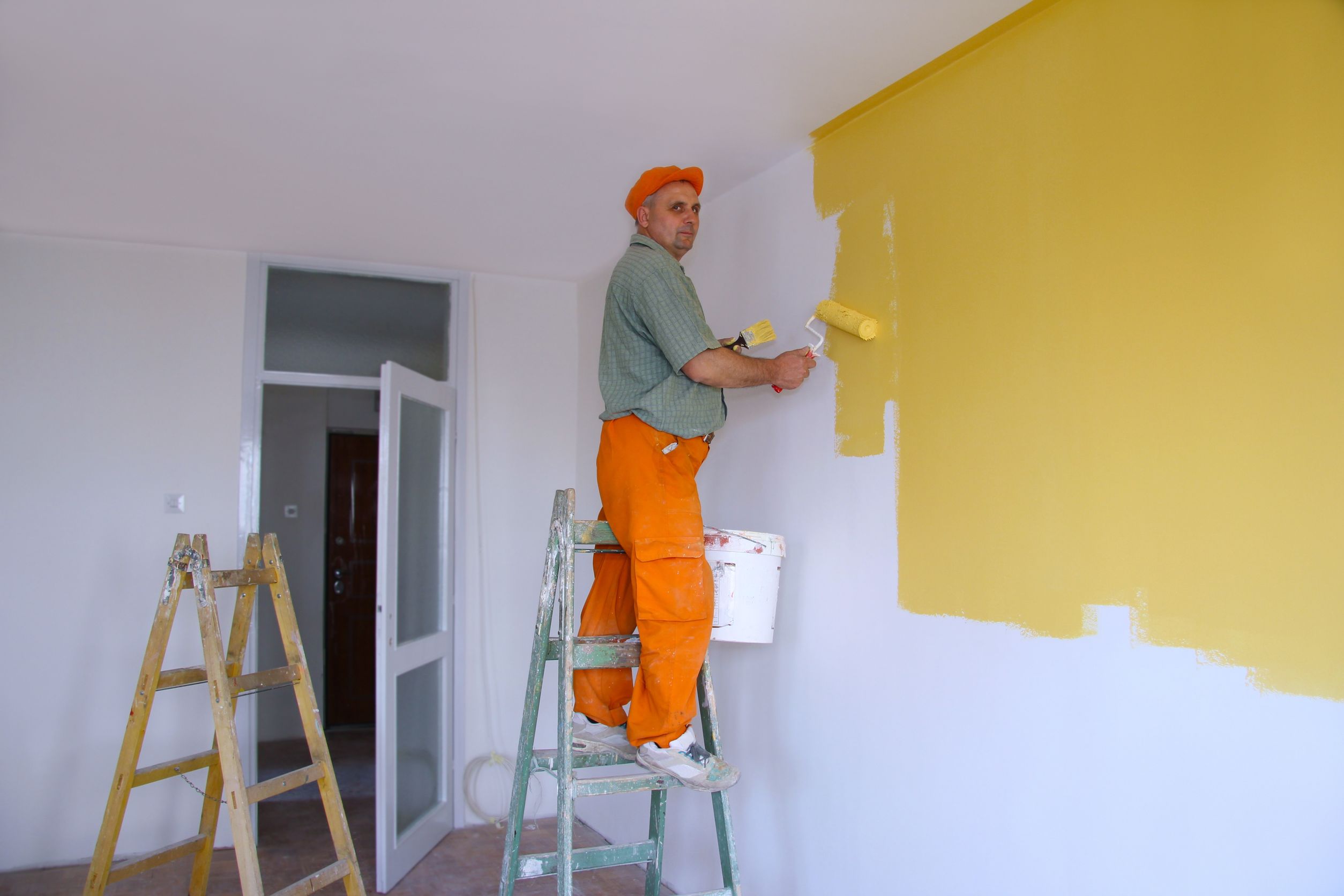
An office can remain open during painting when the project is divided into controlled work zones and scheduled around employee and customer activity. Phased work, clear communication, proper ventilation, and planned access routes allow commercial painting to move forward without shutting down the entire workplace.
Closing an office for several days is not always practical. Employees may need access to equipment, customers may have appointments, and essential operations must continue. A detailed plan can help a commercial painter complete the work while limiting interruptions and maintaining safe access.
How Should the Office Be Divided Into Painting Zones?
The office should be separated into smaller sections that can be prepared, painted, inspected, and reopened one at a time. Each zone should have clear boundaries and should not block essential exits, restrooms, shared equipment, or customer areas.
Possible zones may include:
- Private offices
- Conference rooms
- Reception areas
- Break rooms
- Hallways
- Open workstations
- Storage rooms
- Copy and supply areas
Enclosed rooms are often easier to complete first because doors can help separate the work area. Open offices may need temporary barriers, adjusted seating arrangements, or smaller phases to keep employees away from active painting.
The schedule should identify when each zone will be unavailable and when staff can return. This gives employees time to move documents, equipment, and personal belongings before work begins.
Can Commercial Painting Be Scheduled Outside Business Hours?
Evening, weekend, and off-hour scheduling can reduce disruption when the building and project requirements allow it. Painting after normal business hours may be useful in reception areas, conference rooms, corridors, and other spaces that must remain available during the day.
However, off-hour work still requires coordination. Building access, security procedures, alarms, lighting, elevators, heating and cooling systems, and material storage should be discussed in advance.
Property managers should also confirm whether the building has restrictions on contractor access or noise. If other tenants occupy the property, work may need to follow shared-building rules.
A commercial painting company may combine daytime and off-hour work. Private offices could be painted during normal hours while high-traffic areas are completed in the evening or over a weekend.
Which Areas Should Be Painted First?
The first phase should include areas that can be temporarily closed without affecting essential operations. Unoccupied offices, storage rooms, training rooms, or secondary conference spaces may be practical starting points.
Beginning with lower-use areas allows the painting contractor to establish the workflow before moving into busier sections. It also gives employees and managers a clearer idea of how preparation, painting, drying, and cleanup will be handled.
Reception areas and main corridors usually require more careful timing. These spaces may be divided into smaller sections or completed when customer traffic is lowest.
Restrooms, break rooms, and shared equipment areas should not all be unavailable at the same time. The project plan should preserve access to essential facilities throughout the work.
How Can Employees Prepare Their Workspaces?
Employees should receive clear instructions before their area is painted. Small belongings, loose papers, framed items, desk decorations, and personal equipment should be removed or secured.
Wall-mounted items may need to be taken down so painters can reach the entire surface. These may include:
- Artwork
- Whiteboards
- Calendars
- Signs
- Shelves
- Monitors
- Clocks
- Bulletin boards
Large desks, filing cabinets, and other furniture may remain when there is enough room to work around them. They may need to be moved away from walls and covered.
Sensitive electronics and confidential files should be protected or moved to another area. Employees should know which items they are responsible for removing and which tasks will be handled by the painting crew.
How Can Ventilation and Odor Be Managed?
Ventilation should be addressed before painting begins, particularly when employees will remain in nearby areas. Building management may need to confirm whether windows can be opened and whether the heating or cooling system will operate during off-hour work.
Product selection can also affect how quickly a space can return to normal use. Drying time, recoat time, odor, surface compatibility, and durability should all be considered rather than focusing on one factor alone.
The work zone may need to be separated from occupied spaces using doors or temporary barriers. Employees with odor sensitivities should be informed of the schedule so they can plan their work location accordingly.
A room should not be reopened solely because the surface feels dry. The project schedule should follow the product instructions and the contractor’s guidance.
How Can Hallways and Entrances Stay Accessible?
The painting plan must maintain safe access to entrances, exits, stairs, restrooms, and emergency routes. Equipment, coverings, ladders, and materials should never block required paths.
Long hallways can be painted in sections so one side or one portion remains usable. Main entrances may be scheduled during low-traffic periods, while a secondary approved entrance remains available.
Clear signs can direct employees and visitors around active work areas. Building staff should know which routes are open and whether temporary access changes are in place.
For offices with regular customer traffic, reception staff should receive daily updates. They can then guide visitors without sending them through a painting zone.
How Should Other Office Projects Be Coordinated?
Painting may overlap with flooring installation, electrical work, data cabling, furniture delivery, or office remodeling. These tasks should be placed in a logical order to prevent damage and repeated work.
Dust-producing repairs and major construction should generally be completed before finish painting. Furniture and equipment should be installed only after painted surfaces have dried sufficiently.
Commercial painting services should also account for drywall repairs, adhesive removal, wall patching, and surface cleaning. These steps need their own time in the schedule and should not be treated as part of the final paint application.
A shared schedule helps each contractor understand when the space will be available and which areas must remain protected.
What Communication Is Needed During the Project?
One person should serve as the primary contact for the office. This may be a property manager, business owner, office manager, or facilities coordinator.
Daily updates should identify:
- Areas completed
- Areas scheduled next
- Access changes
- Unexpected repairs
- Drying restrictions
- Items that must be moved
- Changes affecting the timeline
Clear communication helps prevent employees from entering closed areas or placing furniture against recently painted walls.
Businesses evaluating commercial painting in Henderson can review how Excel Painting approaches office and commercial projects. They provide information about project planning, preparation, and scheduling for occupied properties.
How Can the Office Return to Normal After Each Phase?
Each completed area should be inspected before employees return. Protective materials, tools, and waste should be removed, and approved touch-ups should be completed.
Furniture should be returned carefully and kept away from painted walls until the coating has had enough time to dry. Wall décor and mounted equipment should not be reinstalled prematurely.
A phased approach allows one area to reopen while work continues elsewhere. With organized scheduling, controlled work zones, and clear communication, an office painting project can progress without requiring the entire Henderson workplace to close.