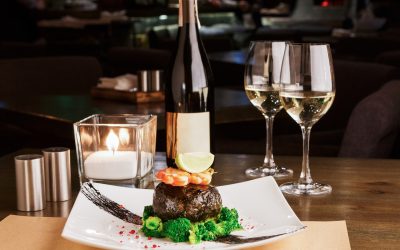
Lunch specials are limited-time menu options designed to provide a focused meal during midday hours, while a full dine-in menu offers a broader selection of appetizers, salads, sandwiches, pasta, pizza, entrées, and desserts. The better choice depends on the time of the visit, appetite, group size, desired variety, available dining time, and whether the meal is casual or part of a longer gathering.
When Are Lunch Specials the More Practical Choice?
Lunch specials can be useful when diners have a limited amount of time and want to make a decision quickly. A shorter selection reduces the number of dishes they need to compare, which may be helpful during a work break, between appointments, or before an afternoon activity.
They can also make portion planning easier. Lunch selections are often structured around one main dish or a simplified combination, helping diners avoid ordering more food than they expect to eat during the middle of the day.
Before leaving for the restaurant, customers should confirm the hours during which lunch options are available. A restaurant may stop serving lunch specials at a specific time even though its full menu remains available later in the day.
When Does the Full Dine-In Menu Make More Sense?
The full dine-in menu is generally better when variety is the priority. It allows diners to compare several food categories instead of choosing from a smaller midday selection.
This can matter when a group includes different preferences. One person may want pasta, another may prefer pizza, and someone else may be looking for a sandwich, salad, or entrée. A full menu gives everyone more flexibility without requiring the group to select the same type of meal.
The broader menu may also be more appropriate for a relaxed visit. Diners who plan to order appetizers, share dishes, add dessert, or spend more time at the table may benefit from the additional choices available at a Pasta Restaurant or Pizza Restaurant.
How Much Time Do Diners Have for the Meal?
Available time should be one of the first considerations. A brief lunch period may call for a straightforward order with fewer courses. A longer visit creates room to compare the menu, ask questions, share appetizers, and consider dessert.
However, customers should not assume that every lunch special is prepared faster than every full-menu item. Preparation time depends on the dish, current order volume, group size, and restaurant operations.
People with a strict schedule can let the server know when they arrive. Reviewing the menu before the visit may also help them make a quicker, more informed decision.
How Should Appetite Influence the Decision?
A diner’s appetite may vary based on the time of day, previous meals, activity level, and evening plans. Someone looking for a lighter midday meal may prefer a focused lunch selection. A diner with a larger appetite may want the range of portions and courses found on the full menu.
Side dishes should also be considered. Appetizers, salads, bread, and desserts can change how much food is needed in the main course.
Rather than choosing based only on the category name, diners should review the actual ingredients and portion information available. A lunch dish is not automatically light, and a full-menu entrée does not always need to be finished in one sitting.
What Works Best for Groups with Different Preferences?
The full menu is often the easier choice for families, coworkers, and social groups because it accommodates a wider range of tastes. Diners may be able to choose among pizza, pasta, sandwiches, salads, entrées, and other Italian Food options.
Lunch specials can still work for groups when everyone wants a simple midday meal. Before deciding, the group should consider whether anyone has ingredient preferences, dietary questions, or a strong preference for a dish outside the lunch selection.
Tempe diners researching Red Devil Restaurant can review their available Italian Meals and location information before planning a group visit.
Should Diners Choose Pizza or Pasta for Lunch?
Pizza can be practical when several people want to share, while pasta is typically ordered as an individual meal. The better option depends on how the group prefers to divide the food.
At a Pizza Restaurant, diners should consider pizza size, toppings, appetite, and whether other dishes will be ordered. One shared pizza may simplify the table’s order, but separate selections can provide more variety.
At a Pasta Restaurant, customers should compare the type of pasta, sauce, added proteins, and accompanying items. A pasta dish may be easier when each person wants a complete individual selection rather than shared slices.
Neither category is inherently better for lunch. The appropriate choice depends on portion needs, preferences, and available time.
What Should Diners Check Before Visiting an Italian Restaurant?
Customers should confirm the restaurant location, current hours, menu availability, and whether lunch specials are offered on the day of their visit. They should also check whether dine-in service, takeout, or delivery best matches their schedule.
Menus can differ by location, and temporary changes may affect item availability. Contacting the correct Tempe location is especially useful when a diner has questions about ingredients, substitutions, group seating, or the timing of lunch selections.
Online menus are helpful for advance planning, but restaurant staff can provide the most current information about that day’s service.
How Can Diners Make the Final Choice?
Choose lunch specials when the visit is time-sensitive, the available selections match the diner’s preferences, and a focused midday meal is the goal. Choose the full dine-in menu when the group wants more variety, plans to share several dishes, or expects a longer Italian Dining experience.
Before heading to an Italian Restaurant in Tempe, diners should review the current menu, consider their available time and appetite, and confirm any location-specific details. A few minutes of planning can make it easier to select the menu format that fits the visit.