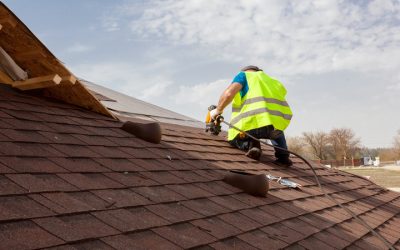
An electrical service mast is the rigid conduit that supports and protects electrical service wires as they enter a home. On many Phoenix properties, this conduit extends through the roof, creating an opening that must be carefully integrated with the surrounding materials.
Although the opening is relatively small, it can become a source of water intrusion when flashing, sealant, or nearby roofing deteriorates. Phoenix heat, strong winds, and seasonal rain can place additional stress on this connection. Knowing how the assembly works can help homeowners recognize when the area needs professional attention.
What Seals the Opening Around a Service Mast?
A service mast opening commonly includes flashing installed around the base of the conduit. Depending on the roof type, the assembly may also include a fitted collar, boot, underlayment, sealant, and surface materials arranged to direct water away from the penetration.
The flashing should work with the roof rather than sit loosely on top of it. On a shingle roof, materials are layered so water moves over the flashing and continues toward the roof edge. Tile, foam, and low-slope systems require different installation methods.
Sealant may be used at particular joints, but it is only one component of the system. The surrounding roof surface, flashing, and underlayment must also remain intact.
Why Can the Opening Develop Leaks?
Roof penetrations are vulnerable because they interrupt the continuous surface that normally directs water away from the home. Even a narrow gap around a mast can allow moisture to reach the roof deck or attic.
Temperature changes are one reason gaps develop. Metal conduit, flashing, sealant, and roofing materials expand and contract differently as temperatures rise and fall. Over time, this repeated movement can cause the seal around the mast to crack or separate.
Wind can also affect the assembly. Overhead electrical wires may transfer movement to the mast during strong gusts. If the conduit shifts, the flashing or collar may loosen. Aging materials and previous surface patches can further reduce the area’s ability to resist water.
What Warning Signs Should Homeowners Watch For?
A problem around the service mast may produce visible changes on the roof or moisture inside the home. Warning signs can include:
- Cracked sealant around the conduit
- Loose, bent, or lifted flashing
- Corrosion near the base of the mast
- Damaged shingles, tiles, or roof coating
- Water stains in the attic
- Damp insulation near the penetration
- Interior discoloration near the electrical panel
- A visible gap between the conduit and collar
Moisture does not always appear directly below the opening. Water may move along the conduit, decking, framing, or wiring before it becomes visible.
Homeowners should avoid touching wet electrical components. Concerns involving moisture near a panel, meter, or service wiring should be evaluated by an appropriately qualified professional.
How Does the Roof Type Affect the Repair?
Every roofing material requires a compatible repair method. Asphalt shingles must be carefully separated and relayered around the flashing. Simply applying sealant across the shingle surface may interfere with normal drainage or conceal damaged materials.
On tile roofs, the visible tile is not the only protective component. The underlayment beneath the tile helps resist moisture. Roofers may need to remove nearby tiles carefully to evaluate the flashing and underlying layers.
Foam and other low-slope systems rely on a continuous waterproof surface. Splits, coating wear, or separation around the mast can allow water to remain near the penetration. Repairs must connect with the existing system without creating raised edges that obstruct drainage.
Valley Roofing & Repair provides additional information about residential roofing and the effects of local conditions on Phoenix homes. They describe several roofing materials commonly found throughout the area.
When Is an Electrician Needed?
Roofing companies can evaluate the materials surrounding a service mast, but the electrical equipment itself falls under a different trade. If the conduit is leaning, damaged, loose, or improperly supported, an electrician may need to address it before the roof opening can be repaired correctly.
The local utility provider may also need to be involved when work affects the electrical service connection. Roofers should not move energized equipment to make flashing work easier.
Coordination is especially important during roof replacement. The mast flashing may need to be replaced while new roofing materials are installed, but any changes to the conduit or wiring must be managed by qualified electrical personnel.
Why Is Adding More Sealant Often Insufficient?
A bead of sealant may temporarily cover a visible separation, but it does not correct every problem. Sealant applied over dust, corrosion, loose flashing, or deteriorated material may not bond properly.
Surface sealing also cannot repair damaged decking or underlayment. If the mast moves, a rigid layer of sealant may split again. Effective roof repair in Phoenix begins with identifying why the opening is vulnerable and which components are affected.
The evaluation should determine whether the issue involves the collar, flashing, roofing surface, underlayment, deck, or electrical mast. Repairing the complete assembly is more appropriate than repeatedly covering the visible gap.
How Can the Area Be Monitored Safely?
Homeowners can visually observe the mast from the ground and look for leaning, damaged materials, or visible separation. Interior ceilings and accessible attic areas can also be monitored for discoloration or dampness.
Walking on a roof is not recommended. Tile may break under foot pressure, while foam and coated surfaces can be punctured or compressed. Working near electrical service equipment creates additional hazards.
Qualified roofers can examine the opening closely, photograph the observed conditions, and provide a written estimate for necessary roofing work. If they identify an electrical concern, they may recommend coordinating with an electrician.
Schedule an Evaluation of the Mast Opening
A service mast roof opening should remain stable, properly flashed, and integrated with the surrounding roofing system. Visible gaps, damaged materials, corrosion, or interior moisture may indicate that the area needs attention.
Schedule a professional roofing evaluation to document the opening, identify affected components, and determine whether roofing work should be coordinated with an electrical professional.