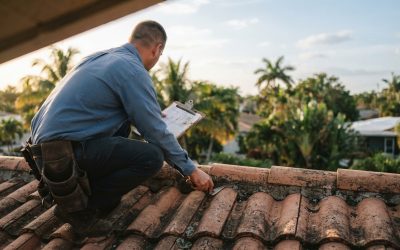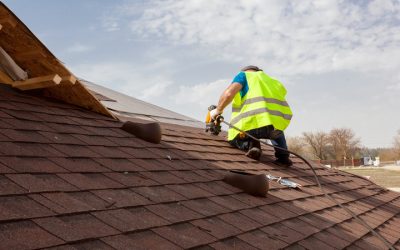
Roof decking is the solid surface attached to a home’s framing beneath the visible roofing materials. It supports underlayment, shingles, tile systems, and other protective layers while transferring roof loads to the structure below.
Because decking is hidden, homeowners may not realize it has deteriorated until roofing materials are removed or interior symptoms appear. In Phoenix, AZ, heat, wind-driven rain, aging materials, and past leaks can all affect sheathing. Evaluating the deck before a new roof installation helps ensure the finished system rests on a stable, dry, and properly fastened base.
What Is Roof Decking?
Roof decking, also called sheathing, usually consists of plywood or oriented strand board panels secured across rafters or trusses. Older homes may have plank decking instead.
The deck creates a continuous surface for the residential roofing system. Underlayment is placed over it, followed by the primary roof covering. Flashing, vents, curbs, and other components are also integrated with this assembly.
Its condition affects fastening strength, surface alignment, drainage, and resistance to movement. Damaged sheathing can compromise otherwise sound materials installed above it.
What Causes Roof Sheathing to Deteriorate?
Moisture is the most common cause. Water may enter through cracked flashing, failed underlayment, loose penetrations, broken roofing materials, or poorly sealed transitions. Repeated exposure can make panels swell, soften, delaminate, or decay.
Phoenix heat can worsen existing weaknesses by placing repeated expansion and contraction stress on materials. Other causes include condensation, improper fastening, pest activity, excessive loads, and earlier repairs that covered damaged sections without correcting them.
A roof may look acceptable from the street while the deck beneath it continues to weaken.
What Are the Warning Signs?
Interior staining is one possible sign, but homeowners may also notice sagging areas, uneven rooflines, recurring leaks, soft spots, or surfaces that appear wavy.
Inside the attic, warning signs include darkened wood, damp insulation, musty odors, rusted fasteners, or daylight around penetrations. Moisture can travel beyond its original entry point, so the visible symptom may not reveal the full problem.
Residential roofing professionals can identify some weak areas during an evaluation, but the complete extent of damage is often confirmed only after existing materials are removed.
Why Must Damaged Sheathing Be Addressed First?
A new roofing system depends on the deck for secure attachment. Fasteners driven into softened or deteriorated wood may not hold properly, leaving materials more vulnerable to shifting or lifting during strong winds.
Uneven sheathing may also create low areas where water collects or prevent underlayment and roof coverings from lying correctly. Covering damaged decking does not restore its strength and can trap an unresolved issue beneath new materials.
During a new roof installation, deteriorated sections should be replaced before the next layers are applied. This creates a sound base and reduces the risk that hidden damage will shorten the life of the completed roof.
Does Every Section Need Replacement?
Not always. If most of the deck is dry, flat, properly fastened, and structurally sound, only isolated areas may require replacement. Widespread moisture damage, delamination, repeated patching, improper panel spacing, or unsuitable plank layouts may require broader corrective work.
Local requirements, manufacturer instructions, and the selected roofing system can also affect the scope. The best residential roofing company for a particular project should explain where damage exists, how it was identified, and why specific sections need attention.
Photographs and written documentation can help homeowners understand changes to the original work plan.
How Is Damaged Decking Corrected?
The affected roofing layers are removed to expose the sheathing. Damaged panels or boards are cut back to sound framing so replacement material can be secured correctly.
New sheathing should meet appropriate thickness and performance requirements. Fastening patterns, edge support, panel spacing, and transitions must be handled carefully. Once the surface is stable and level, underlayment and the remaining residential roofing materials can be installed.
The source of moisture must also be corrected. Replacing sheathing without resolving failed flashing, drainage issues, or penetration defects may allow the same problem to return.
What Should Homeowners Ask Before Work Begins?
Homeowners should ask how decking conditions will be documented, how replacement costs are calculated, and who must approve added work. The roofing agreement should explain how concealed sheathing damage will be handled because exact quantities may not be known before removal begins.
Photos taken during the project can show the original damage, replacement areas, and completed deck before it is covered. These records provide clarity and may be useful for future maintenance or property documentation.
Protect the Foundation of Your Roofing System
Before replacing visible roofing materials, make sure the supporting deck is strong, dry, and properly secured. Schedule a detailed evaluation to identify weakened sheathing, hidden moisture, and unsafe sections before work begins. Explore professional house roof repair to address underlying damage, support a durable new roof installation, and protect your Phoenix home from avoidable structural and interior problems over time.