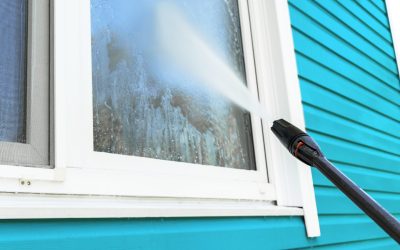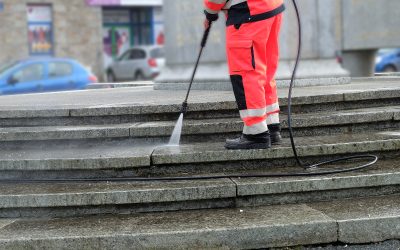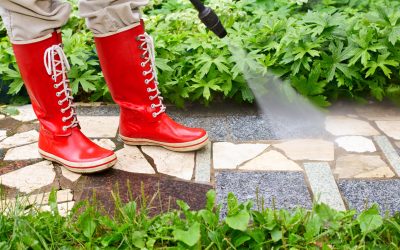
Outdoor kitchens and grill areas need a more careful pressure washing approach because they collect grease, food residue, smoke deposits, dust, and everyday outdoor grime at the same time. Unlike a standard driveway or walkway, these spaces often contain several different materials close together, which means water pressure and cleaning methods should be adjusted for each surface.
In Phoenix, AZ, outdoor cooking areas are exposed to dry conditions, airborne dust, intense sun, and frequent backyard use. Over time, these factors can leave patios, counters, surrounding walls, and nearby hardscapes looking noticeably different from less active outdoor areas.
What Types of Buildup Collect Around Outdoor Kitchens?
A grill area can collect far more than ordinary dirt.
Cooking oils may splatter onto nearby concrete or pavers. Grease can settle on surfaces around grills and smokers, while sauces, drinks, and food spills may leave additional residue. Smoke can also create darker deposits around walls, backsplashes, or covered sections of the patio.
At the same time, Phoenix properties routinely deal with dust and windblown debris. When dust settles onto greasy or sticky areas, it can create a layer of grime that is more difficult to remove than dry surface dirt alone.
This is one reason professional pressure washing services may require a different approach in outdoor food-preparation areas than on a basic sidewalk.
Why Is Grease Different From Ordinary Dirt?
Loose dirt can often be moved relatively easily with water. Grease behaves differently because it can cling to porous materials and spread when handled incorrectly.
Concrete, masonry, and some types of pavers contain pores that can allow oils and cooking residue to settle below the immediate surface. Simply applying more pressure does not always solve the problem.
A stronger stream of water can sometimes move residue across the surrounding area rather than fully addressing it. Depending on the material and the type of buildup, proper cleaning may involve combining suitable cleaning solutions, controlled water pressure, and sufficient dwell time.
For homeowners considering pressure washing, the condition and material of the outdoor cooking area should be evaluated before cleaning begins.
Why Can’t Every Surface Be Washed the Same Way?
Outdoor kitchens frequently combine several materials within a small space.
A single area might include:
- Concrete flooring
- Pavers
- Stucco
- Masonry
- Natural or manufactured stone
- Metal appliances
- Painted surfaces
- Grout or mortar joints
- Decorative finishes
These materials do not all tolerate the same cleaning pressure.
For example, a durable concrete slab may allow a different method than painted stucco or decorative stone. Areas near grills may also contain electrical components, gas connections, appliances, or cabinetry that should not be treated like ordinary hardscape.
A qualified pressure washing company should take these differences into account rather than applying the same technique across the entire area.
How Can Heat and Sun Exposure Affect Buildup?
Phoenix outdoor kitchens experience prolonged exposure to high temperatures and direct sunlight.
Heat can cause spilled liquids and cooking residue to dry quickly onto surfaces. Oils may become more noticeable as surrounding dirt attaches to them, while food residue can harden if it remains in place.
Sun exposure can also make uneven staining more visible. A patio may appear generally clean until grease marks or darker cooking areas contrast with the surrounding surface.
Because these spaces are often designed as visual extensions of the home, inconsistent buildup can become particularly noticeable around seating, countertops, and entertaining areas.
What Areas Around the Grill Usually Need More Attention?
The heaviest buildup tends to occur closest to the cooking surface.
Areas directly beneath and beside a grill may collect grease drips, food particles, ash, and soot. Walls or backsplash surfaces behind the grill can develop smoke or cooking residue, while the surrounding flooring may receive spills from food preparation and serving.
Foot traffic also matters.
People often move between the kitchen, grill, dining area, and pool or yard. This can transfer dirt, food residue, and moisture across the same patio surface.
Professional power washing services can address the larger surrounding area while giving additional attention to sections where cooking-related buildup is concentrated.
Can Too Much Pressure Damage an Outdoor Kitchen Area?
Yes. More pressure is not automatically better.
Excessive water pressure can affect certain coatings, mortar joints, painted finishes, or softer materials. It may also force water into areas where it does not belong.
That is especially important around outdoor kitchens because appliances, outlets, cabinetry, and utility connections may be located close to surfaces being cleaned.
A professional cleaning approach involves selecting appropriate pressure and working around features that require additional care.
This is one of the main differences between general cleaning and properly planned residential pressure washing services.
How Often Should Outdoor Grill Areas Be Pressure Washed?
There is no single schedule that applies to every home.
A frequently used outdoor kitchen may develop buildup much faster than one used only occasionally. Factors such as grill type, cooking frequency, nearby landscaping, patio material, and exposure to wind can all affect how quickly the area becomes dirty.
Homeowners may want to consider deeper cleaning when grease marks, dark residue, food stains, or general grime remain after routine maintenance.
Cleaning before larger gatherings or seasonal backyard use may also make sense, particularly when the grill area is part of a larger entertaining space.
What Should Be Considered Before Pressure Washing an Outdoor Kitchen?
Before cleaning begins, it is important to look at both the surface materials and the equipment nearby.
Loose items should be moved away from the work area when practical. Appliances and utility connections should be identified, and delicate surfaces should be treated appropriately.
The cleaning method should also account for the type of residue present. Ordinary dust, cooking grease, and smoke buildup may each require different attention.
Outdoor kitchens combine food preparation, hardscape, appliances, and high-traffic areas in one setting. Because of that, effective cleaning involves more than simply using high water pressure.
For Phoenix homeowners, working with a pressure washing company that understands how to clean around varied materials can help keep outdoor kitchens and grill areas better maintained while reducing unnecessary risk to surrounding surfaces.