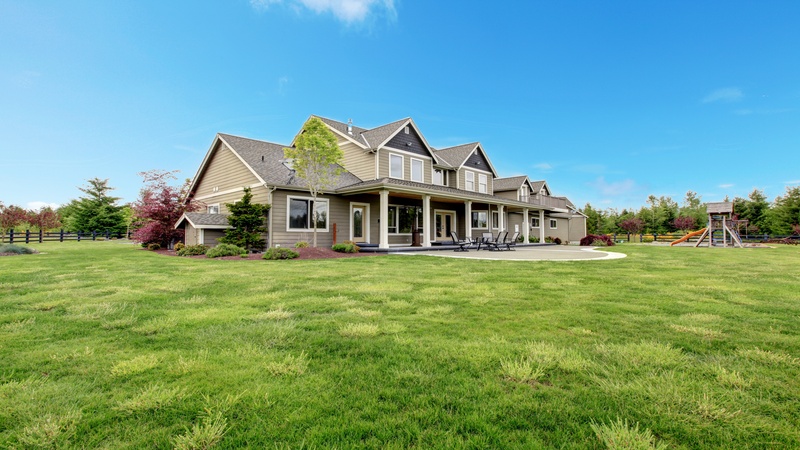
Planning a full landscape installation is an exciting step for homeowners looking to improve the appearance, function, and usability of their outdoor space. In areas like Peoria, Arizona, where outdoor living is an important part of everyday life, professionally designed landscapes can help create comfortable, visually appealing environments that better suit the property and climate.
Whether the project involves new construction landscaping or a complete redesign of an existing yard, understanding the installation process can help homeowners prepare for each stage of the transformation. From planning and material selection to irrigation and hardscape integration, every phase plays an important role in the final outcome.
The Initial Landscape Consultation
A full landscape installation project typically begins with an on-site consultation. During this stage, landscaping professionals evaluate the property’s layout, drainage conditions, soil quality, sun exposure, and existing features. Homeowners often discuss goals for the space, including functionality, maintenance preferences, outdoor entertainment areas, and design style.
For residential landscape installation projects in Peoria, Arizona, climate considerations are especially important. Landscapes must be designed to withstand intense sun exposure, high temperatures, and periods of limited rainfall. This is why many homeowners choose drought-conscious designs that incorporate low-water plants, efficient irrigation systems, and durable hardscape materials.
Landscape professionals may also identify potential challenges during the consultation process, such as grading concerns, drainage issues, or areas with poor soil conditions.
Creating a Landscape Design Plan
After gathering information about the property, the next step involves developing a landscape design plan. This phase outlines how different elements will work together throughout the outdoor space.
A landscape design may include:
- Plant placement
- Walkways and pathways
- Patio areas
- Irrigation layouts
- Decorative rock or mulch
- Outdoor lighting
- Retaining walls
- Artificial turf or grass areas
- Trees and shrubs
- Seating or gathering spaces
The goal of a full landscape installation is to create a cohesive outdoor environment that balances appearance and practicality. In many residential landscape installation projects, homeowners want outdoor areas that are both visually appealing and easier to manage long term.
Arizona landscapes often incorporate desert-adapted plants, shade features, and hardscape elements that help reduce water consumption while still enhancing curb appeal.
Site Preparation and Groundwork
Once the design plan is finalized, contractors begin preparing the property for installation. Site preparation is one of the most important phases because it creates the foundation for all remaining work.
This stage may include:
- Clearing old landscaping materials
- Removing debris or weeds
- Grading and leveling
- Soil preparation
- Trenching for irrigation lines
- Drainage adjustments
Proper grading helps direct water away from the home while preventing pooling in low areas. In Peoria, Arizona, drainage planning is especially important because sudden monsoon storms can create runoff problems if landscapes are not installed correctly.
Depending on the size of the project, site preparation may take several days before installation work officially begins.
Installing Irrigation Systems
Irrigation is a major component of many full landscape installation projects. Without proper watering systems, plants and grass may struggle to survive in Arizona’s dry climate.
Modern irrigation systems are designed to improve efficiency while reducing water waste. Landscapers often install drip irrigation for shrubs and plants, while sprinkler systems may be used for turf or grass areas.
An effective irrigation system typically includes:
- Timers and smart controllers
- Drip irrigation zones
- Sprinkler heads
- Pressure regulators
- Water-efficient layouts
Many homeowners in Peoria are now choosing smart irrigation technology that automatically adjusts watering schedules based on weather conditions.
Proper irrigation planning also helps protect the investment homeowners make in their landscape design and installation project.
Hardscape Installation Begins
Hardscape elements provide structure and functionality within the landscape. These features are often installed before planting begins to avoid disturbing newly installed greenery.
Hardscape features may include:
- Paver patios
- Walkways
- Retaining walls
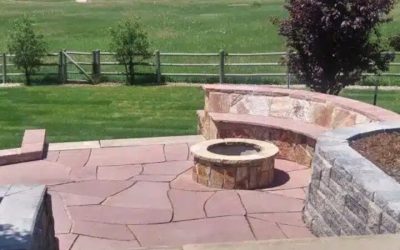
- Fire pit areas
- Decorative stone features
- Outdoor seating areas
Hardscape and landscape installation projects often work together to create outdoor spaces that support entertaining, relaxation, and accessibility.
In Arizona neighborhoods, pavers and decorative stone are commonly used because they hold up well under extreme weather conditions and require less upkeep than traditional grass-heavy landscapes.
Planting and Landscape Features
Once the foundational work is complete, plants, trees, and decorative features are added to the property. This is often the stage where homeowners begin to see the overall design come together.
Plant selection for residential landscape installation projects in Peoria usually focuses on durability, water efficiency, and seasonal color. Popular options may include desert shrubs, native plants, succulents, flowering accents, and shade trees.
Landscape crews also install:
- Decorative rock
- Mulch
- Artificial turf
- Landscape borders
- Accent lighting
Professionally placed plants not only improve appearance but can also support shade coverage and outdoor comfort during Arizona summers.
Homeowners looking for guidance during this process often work with a professional landscaping service provider in Peoria, Arizona that understands regional climate conditions and long-term landscape planning.
Final Walkthrough and System Checks
After installation is complete, contractors typically perform a final walkthrough with the homeowner. During this stage, they review irrigation zones, lighting systems, drainage performance, and plant placement.
This walkthrough gives homeowners the opportunity to ask questions about:
- Irrigation schedules
- Seasonal plant care
- Landscape upkeep
- Outdoor lighting controls
- Drainage recommendations
Landscape professionals may also provide maintenance suggestions to help the newly installed landscape establish properly over time.
Even though many modern Arizona landscapes are designed for lower upkeep, regular monitoring during the first several months is still important for plant health and irrigation performance.
Planning for Long-Term Landscape Success
A successful full landscape installation project is about more than appearance alone. Well-designed landscapes help homeowners improve outdoor usability, increase comfort, and create spaces better suited for Arizona living.
From irrigation planning and hardscape construction to plant selection and grading, every stage contributes to the long-term performance of the property’s outdoor environment.
For homeowners in Peoria, Arizona, understanding what to expect during the installation process can help create smoother project timelines and more realistic expectations while ensuring the finished landscape supports both function and visual appeal for years to come.