Extreme heat changes how a roof installation must be planned, staffed, and completed. In Surprise, AZ, contractors reduce heat-related risks by adjusting work hours, protecting materials, monitoring crews, and sequencing each installation step carefully.
Why Does Extreme Heat Affect Roof Installation?
Arizona heat affects both workers and materials. Roof surfaces can become much hotter than the surrounding air, increasing the risk of heat exhaustion, dehydration, burns, and reduced concentration. These conditions make hydration, shade, pacing, and recovery breaks essential.
High temperatures can also change how installation materials behave. Shingles may soften, sealants can become harder to control, adhesives may cure too quickly, and some membranes can be more vulnerable to stretching or surface damage.
Extreme heat does not automatically prevent installation. It means the work should be planned around the roof type, daily forecast, material specifications, and safe working conditions.
How Do Contractors Adjust the Daily Work Schedule?
Many crews begin earlier so physically demanding tasks can be completed before the hottest part of the day. Tear-off, material loading, deck preparation, and underlayment placement may be prioritized during cooler hours.
Work may slow or stop when conditions become unsafe.
A responsible schedule also accounts for afternoon wind and monsoon activity. Crews may divide the project into sections so exposed areas can be protected before weather changes. Heat-related adjustments may affect daily production without indicating poor planning.
How Are Workers Protected From Heat Stress?
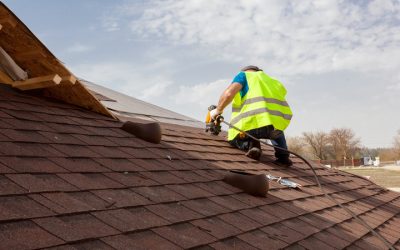
Heat safety requires more than providing water. Crews may use shaded rest areas, scheduled breaks, protective clothing, sun protection, and a buddy system.
Supervisors should watch for dizziness, confusion, unusual fatigue, nausea, headaches, or changes in coordination. A worker showing signs of heat illness should be removed from the hot area and receive appropriate assistance.
Residential roofing contractors must also manage fall hazards that become more serious when workers are tired or overheated. Harnesses, anchors, access points, and controlled work zones should remain part of the plan.
How Are Materials Stored and Handled?
Installation materials should not remain exposed unnecessarily on a hot roof. Shingle bundles, underlayment rolls, sealants, coatings, fasteners, and flashing components may need shaded storage or staged delivery.
Softened shingles can be scuffed by foot traffic or tools. Metal pieces can become dangerously hot. Adhesives and sealants may need to be used within specific temperature ranges. Contractors should review manufacturer instructions instead of relying on one method for every product.
Why Is Deck Preparation Especially Important?
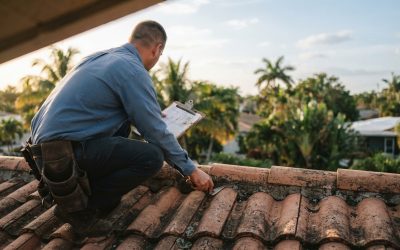
The roof deck must be inspected after old materials are removed. Damaged, soft, uneven, or moisture-affected sections should be addressed before underlayment and finish materials are installed.
During extreme heat, exposed decking can dry quickly, but surface dryness does not confirm that every moisture or structural concern has been resolved. Crews still need to check penetrations, edges, valleys, flashing areas, and previous leak locations.
Once a section is ready, protective layers should be installed promptly to limit exposure to wind, dust, or unexpected rain.
How Is Installation Quality Maintained in Hot Conditions?
Quality control depends on following required fastening, alignment, overlap, flashing, and sealing methods. Heat should not be used as a reason to rush these details.
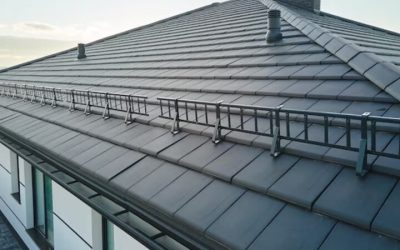
For shingle systems, crews should limit foot traffic on softened surfaces and follow the required fastening pattern. Tile projects require careful movement to reduce breakage. Metal systems need allowances for thermal expansion. Low-slope materials may require close attention to adhesive application, seam preparation, and surface temperature.
Property owners comparing roofing contractors should ask how crews manage heat, protect materials, and maintain manufacturer requirements. Clear answers can show whether the installation plan accounts for Arizona conditions.
What Should Homeowners Expect During the Project?
Homeowners should expect noise, debris control, material deliveries, and temporary limits around driveways or outdoor areas. During extreme heat, crews may arrive early, take longer recovery breaks, or change the order of tasks.
The contractor should explain how the property will remain weather-protected at the end of each workday. They should also communicate delays caused by unsafe temperatures, wind, or storms. Clear daily communication helps homeowners understand whether changes protect safety, materials, or weather exposure.
Before work begins, homeowners can ask who will supervise the project, how materials will be stored, how hidden deck damage will be documented, and how schedule changes will be communicated.
When Should Installation Be Planned?
Roof installation services can be completed during hot Arizona weather when the project is carefully managed. Timing should consider the condition of the existing system, the urgency of replacement, the selected material, and the expected weather pattern.
A professional assessment can determine whether installation should proceed, be divided into smaller sections, or be delayed for safer conditions. Request a written project plan that explains material handling, deck preparation, weather protection, and heat-safety procedures before work begins.