Chronic pain affects millions of adults every year and can interfere with mobility, work performance, exercise routines, and daily comfort. In busy metropolitan areas like New York, NY, repetitive strain, long commutes, physically demanding jobs, and sedentary office work often contribute to ongoing musculoskeletal discomfort.
As awareness of non-invasive therapies continues to grow, many individuals are exploring alternatives to traditional pain management approaches. One option gaining attention is shockwave therapy treatment, including SoftWave treatment technologies designed to support tissue recovery and mobility.
While traditional pain management methods often focus on symptom control, newer regenerative and movement-focused therapies aim to support the body’s natural healing response. Understanding the differences between these approaches may help individuals make more informed decisions about their care options.
Understanding Traditional Pain Management
Traditional pain management typically focuses on reducing discomfort and improving daily function through a variety of methods. Depending on the condition, treatment plans may include:
- Pain-relieving medications
- Anti-inflammatory medications
- Cortisone injections
- Physical therapy
- Activity modification
- Rest recommendations
- Surgical consultation in severe cases
These approaches may help reduce inflammation and temporarily improve comfort levels, especially during acute injury recovery. However, some individuals with recurring musculoskeletal issues continue searching for therapies that focus more directly on tissue recovery and movement restoration.
Chronic conditions involving tendons, muscles, ligaments, and joints may not always respond fully to symptom-focused treatments alone. This has contributed to growing interest in therapies that support circulation, tissue stimulation, and mobility improvement.
What Is Shockwave Therapy Treatment?
Shockwave therapy treatment is a non-invasive therapy that uses acoustic sound waves to stimulate targeted tissues within the body. The therapy is often used to support recovery in areas affected by chronic inflammation, repetitive strain, and musculoskeletal dysfunction.
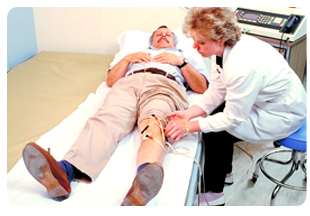
The sound waves are delivered through a handheld device placed against the skin near the affected area. These acoustic waves are designed to stimulate circulation and encourage the body’s natural healing processes.
Shockwave therapy treatment is frequently discussed in relation to:
- Chronic tendon discomfort
- Shoulder pain
- Plantar fasciitis
- Joint stiffness
- Sports-related injuries
- Muscle tension
- Repetitive strain conditions
SoftWave treatment is one form of shockwave therapy that uses broad-focused acoustic wave technology to target injured tissues while supporting circulation and cellular activity.
Unlike invasive procedures, shockwave therapies are generally performed without surgery or extended recovery periods.
How Shockwave Therapy Differs From Medication-Based Care
One of the primary differences between shockwave therapy treatment and traditional medication-based pain management involves treatment goals.
Pain medications and anti-inflammatory drugs are commonly used to reduce discomfort temporarily. While these approaches may help manage symptoms, they may not directly address tissue dysfunction or mobility limitations contributing to chronic pain.
Shockwave therapies, including SoftWave treatment, are often designed to:
- Stimulate circulation
- Support tissue repair
- Improve mobility
- Reduce muscular tension
- Encourage natural recovery responses
Rather than simply masking discomfort, these therapies focus on supporting healthier tissue function and movement patterns over time.
Many individuals in New York, NY seek non-invasive therapies because they want to remain active while avoiding prolonged downtime associated with more invasive interventions.
Conditions Commonly Associated With Shockwave Therapy
Shockwave therapy treatment is frequently discussed in relation to chronic musculoskeletal conditions that involve repetitive stress or reduced tissue recovery.
Tendon Conditions
Tendons connect muscles to bones and are frequently exposed to repetitive strain. Chronic tendon irritation may develop gradually in active individuals, athletes, or workers performing repetitive tasks.
Shockwave therapies are often used in discussions surrounding:
- Tennis elbow
- Rotator cuff irritation
- Achilles tendon discomfort
- Patellar tendon strain
Plantar Fasciitis
Plantar fasciitis is one of the most common causes of heel pain. Repetitive stress on the foot’s connective tissue may lead to inflammation and discomfort during standing or walking.
Shockwave therapy treatment is commonly explored as a non-surgical option for chronic heel pain management.
Shoulder and Joint Stiffness
Reduced mobility and stiffness within the shoulder or surrounding joints may interfere with exercise routines, work activities, and sleep quality.
SoftWave treatment approaches may support mobility-focused rehabilitation plans designed to improve flexibility and movement efficiency.
Why Non-Invasive Therapies Continue to Grow
Many adults are becoming more proactive about movement health and long-term mobility. Instead of waiting for pain to become severe, individuals are increasingly exploring conservative therapies earlier in the recovery process.
Non-invasive therapies appeal to many people because they may:
- Require minimal downtime
- Support active lifestyles
- Focus on mobility and function
- Complement rehabilitation programs
- Avoid surgical procedures
In active cities like New York City, where daily movement and demanding schedules are common, therapies focused on flexibility and mobility support continue to gain attention.
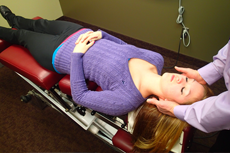
Providers often combine shockwave therapy treatment with broader wellness strategies that may include chiropractic care, mobility exercises, stretching routines, and postural support.
Individuals looking for conservative musculoskeletal care options may benefit from working with a licensed chiropractic partner in New York, NY familiar with movement-focused therapies and rehabilitation strategies.
The Importance of Movement and Recovery
Long-term musculoskeletal health often depends on more than short-term symptom management. Chronic discomfort can sometimes develop when tissues experience repetitive strain without proper recovery or movement support.
Factors that may contribute to recurring pain include:
- Poor posture
- Sedentary habits
- Repetitive motion
- Limited flexibility
- Inadequate recovery
- Joint restrictions
Movement-focused therapies often aim to improve tissue function while supporting healthier biomechanics throughout the body.
Combining therapies with posture awareness, stretching, strength-building, and mobility work may help support long-term physical function and reduce recurring strain patterns.
Final Thoughts
Shockwave therapy treatment and traditional pain management approaches serve different roles in musculoskeletal care. While medications and injections may help manage symptoms temporarily, therapies like SoftWave treatment focus more directly on supporting tissue recovery, circulation, and mobility.
As more individuals in New York, NY seek conservative approaches for chronic pain and movement limitations, non-invasive therapies continue to gain recognition within broader wellness and rehabilitation strategies.
Understanding the differences between symptom-focused treatment and movement-focused recovery may help individuals make informed decisions about their long-term musculoskeletal health and daily mobility support.