An old soft-tissue injury can become painful again when the affected area is exposed to renewed stress, altered movement patterns, or increased physical demand. Even after symptoms improve, tendons, ligaments, muscles, and other connective tissues may continue adapting long after the original injury.
For people in San Diego, CA, this can happen after returning to exercise, increasing work activity, changing routines, or experiencing another strain. The return of pain does not always mean the tissue has been injured again, but it may indicate that the area is not tolerating current demands well.
Why Can Pain Return After the Injury Seemed Better?
Pain relief and full tissue recovery are not always the same thing.
A person may stop feeling discomfort before the tissue has fully regained its previous capacity to handle load. Once everyday activities resume, the area may be challenged in ways it was not exposed to during the earlier recovery period.
For example, a person may feel comfortable during normal walking but develop discomfort after returning to running, lifting, or repetitive work.
This can create the impression that the old injury has suddenly “come back,” even though the issue may be related to how the tissue responds to increased demand.
Can Scar Tissue Affect How an Area Handles Stress?
Healing tissue often undergoes remodeling.
After an injury, the body repairs damaged tissue through a process that includes collagen production and gradual reorganization. The repaired tissue may not initially behave exactly like the original tissue.
Over time, normal movement and appropriate loading can influence how the tissue adapts.
If an area remains stiff, sensitive, or less tolerant of force, certain movements may place more stress on neighboring structures.
This is one reason recurring discomfort should be evaluated in context rather than assumed to be a completely new injury.
Why Does Returning to Activity Sometimes Trigger Symptoms?
Increasing activity changes the amount of force placed through muscles, tendons, and ligaments.
A person who gradually returns to normal activity may tolerate that change well. Someone who suddenly increases exercise intensity, work demands, lifting, or repetitive motion may exceed what the recovering tissue can comfortably handle.
Fatigue can also influence movement.
When muscles become tired, the body may rely more heavily on other joints or tissues. Those compensations can increase stress around a previously injured area.
For this reason, a clinician evaluating recurring pain may ask what changed before the symptoms returned.
How Can Movement Compensation Affect an Old Injury?
People often alter movement patterns while an injury is painful.
Someone with a leg injury may shift weight to the opposite side. A person with shoulder discomfort may avoid certain arm movements. Someone with back pain may bend or rotate differently to protect the painful area.
These adaptations can be useful in the short term, but they may persist even after pain improves.
If normal movement does not fully return, the body may continue distributing forces differently.
That can contribute to recurring discomfort in the original area or in nearby tissues.
Where Does Chiropractic Care Fit Into Injury Recovery?
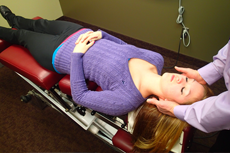
Chiropractic evaluation can help identify whether joint mobility, movement patterns, muscle tension, or other musculoskeletal factors are contributing to ongoing discomfort.
Injury Recovery Chiropractic Care may include assessment of how the body moves after an injury and whether compensations remain.
The goal is not to assume that every recurring pain episode requires the same treatment.
A chiropractor may evaluate range of motion, joint function, tenderness, strength, and the movements that reproduce symptoms before determining what type of care may be appropriate.
Can Shockwave Treatment Be Used for Old Soft-Tissue Problems?
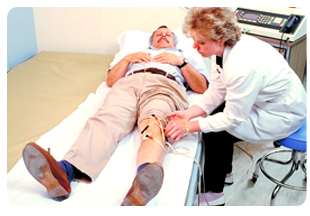
Shockwave treatment may be considered for certain chronic soft-tissue conditions, particularly when tendon or connective tissue irritation persists.
The treatment uses acoustic waves directed into a targeted tissue area.
Rather than applying treatment broadly wherever pain is felt, the clinician typically identifies a specific region based on the examination.
Chiropractic shockwave therapy may be incorporated into a broader treatment approach when the patient’s condition and clinical findings indicate that it is appropriate.
It is not suitable for every type of pain or every old injury.
How Does Shockwave Therapy for Pain Work?
Shockwave therapy for pain uses externally generated mechanical waves applied through the skin to selected tissues.
The treatment is commonly used in musculoskeletal care for certain chronic tendon and soft-tissue problems.
The provider controls variables such as intensity, treatment location, and number of impulses.
The objective is not simply to make the painful area feel different during the visit. Treatment decisions should be based on the type of tissue involved, how long the symptoms have been present, and how the person responds over time.
Is Recurring Pain Always Coming From the Original Injury?
No.
Pain in the same general area does not automatically mean the original tissue is the source.
Nearby joints, muscles, nerves, or tendons may also contribute. In some cases, the way a person has been moving since the original injury may be more relevant than the injury itself.
This is why a shockwave chiropractic approach should begin with evaluation rather than treating the location of pain alone.
The provider may need to determine whether the symptoms are related to the old injury, a new irritation, or compensation elsewhere.
When Should Recurring Pain Be Evaluated?
Evaluation may be appropriate when pain repeatedly returns during the same activities, limits movement, interferes with work or exercise, or becomes progressively more noticeable.
New swelling, significant weakness, numbness, instability, or symptoms following another traumatic event may also require closer assessment.
More serious or rapidly worsening symptoms may need medical evaluation before conservative treatment is considered.
For San Diego residents, the return of pain months after an injury does not necessarily mean the body has failed to heal. It may reflect changes in tissue capacity, movement patterns, or physical demand.
Understanding why the symptoms returned can help determine whether shockwave treatment, chiropractic care, activity modification, or another form of evaluation is the most appropriate next step.