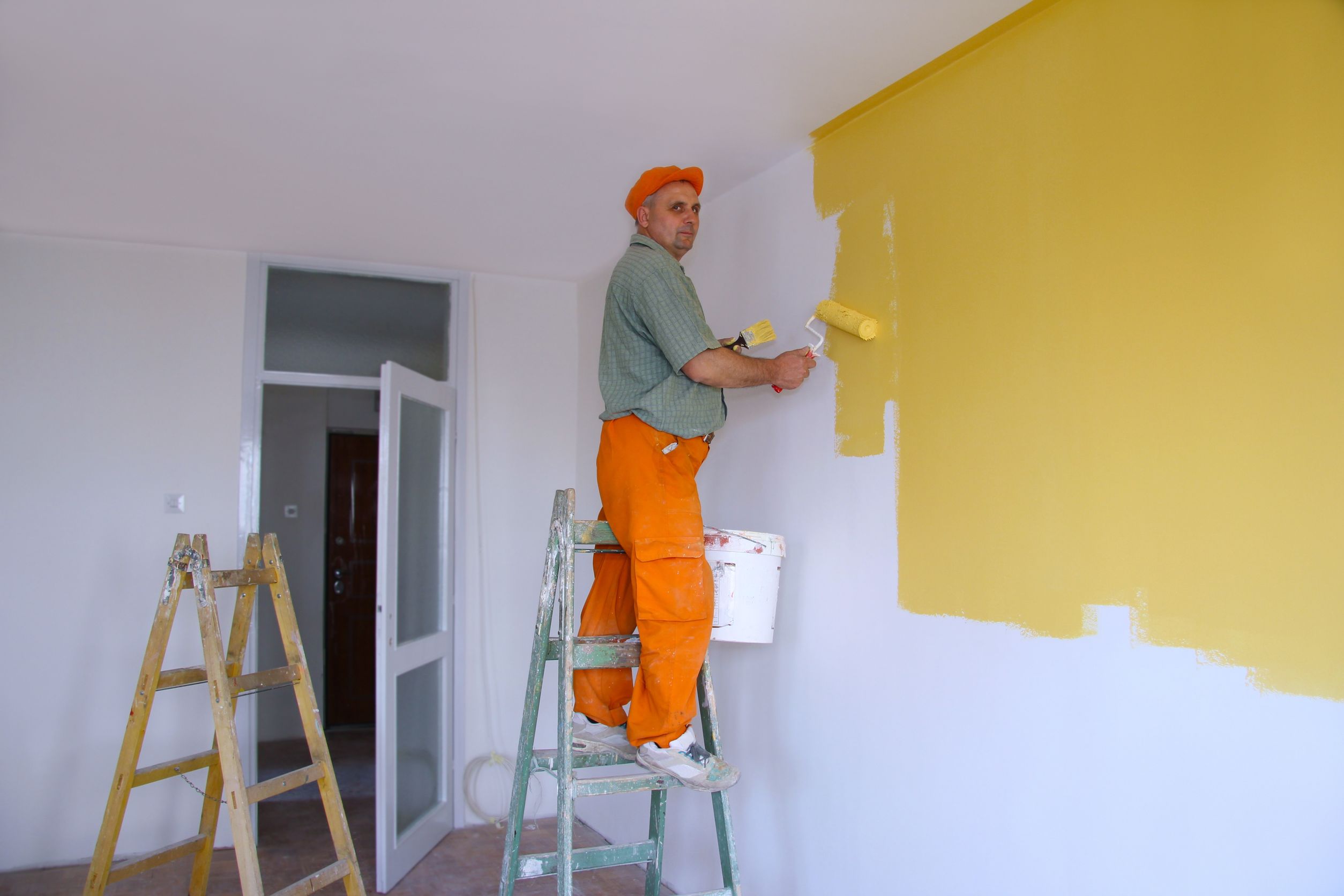
Commercial painting is an important part of maintaining a clean, professional, and well-managed business property. In Henderson, NV, where businesses operate in a desert climate with strong sun, dust, heat, and frequent customer traffic, repainting should be planned carefully before work begins.
Unlike a small residential repaint, commercial painting services often involve larger surfaces, active business hours, employee access, customer-facing areas, safety planning, and long-term maintenance goals. Whether the project involves an office, retail space, medical facility, restaurant, warehouse, or multi-tenant property, planning ahead helps reduce disruption and supports a smoother finished result.
For business owners and property managers, understanding what to prepare before hiring a commercial painter can make the process more organized and efficient.
Start With the Purpose of the Repaint
Before requesting commercial paint services, businesses should define why the property needs repainting. Some projects are focused on improving appearance, while others are tied to maintenance, branding, tenant improvements, or property value.
An office may need interior repainting to create a cleaner and more updated work environment. A retail storefront may need exterior repainting to improve curb appeal and make the business easier to recognize from the street. A commercial building may need repainting because the current coating is faded, peeling, stained, or no longer consistent with the property’s image.
Clarifying the purpose helps guide color choices, surface preparation, scheduling, and budget planning. It also helps the commercial painter understand which areas matter most to the business.
Consider the Condition of the Building
A successful commercial painting project starts with a clear look at the current condition of the property. Exterior surfaces in Henderson may show fading, chalking, cracking, or staining due to sun exposure and dust. Interior walls may show scuffs, dents, marks, or uneven color from daily use.
Surfaces such as stucco, drywall, concrete, metal, wood trim, doors, and block walls may each require a different preparation process. Some areas may need patching, sanding, cleaning, priming, or sealing before paint is applied.
Skipping this assessment can lead to problems later. Paint needs a clean and stable surface to bond properly. If the surface underneath is damaged or dirty, the finished result may not last as long as expected.
Plan Around Business Hours and Customer Access
One of the biggest differences between residential and commercial painting is scheduling. Businesses often need to stay open during the project, or they may need painting completed in phases to limit disruption.
For offices, painting may need to happen after hours, over weekends, or room by room. For retail stores, work may need to avoid peak customer traffic. For restaurants or medical spaces, scheduling may require even more coordination because cleanliness, access, and safety are especially important.
Before the project begins, businesses should identify entry points, parking areas, employee work zones, customer areas, storage spaces, and any rooms that must remain accessible. Clear scheduling helps protect daily operations while allowing painters to complete the work properly.
Think About Color and Brand Consistency
Color selection is more than a design decision. For commercial properties, color can influence how customers perceive the business. Neutral tones may create a clean and professional setting, while accent colors can help reinforce branding in reception areas, conference rooms, lobbies, or storefronts.
Exterior colors may also need to follow property management rules, landlord requirements, or business park guidelines. Businesses located in shopping centers or multi-tenant buildings should confirm approval requirements before painting begins.
For interior spaces, it is helpful to consider lighting, flooring, furniture, signage, and brand colors before choosing paint. A color that looks appealing on a sample may appear different under office lighting or in a larger room.
Review Safety and Site Preparation Needs
Commercial painting services often require more preparation than simply moving furniture away from the walls. Depending on the property, site preparation may include masking floors, protecting equipment, covering furniture, moving displays, setting up safe walkways, and coordinating access for staff or tenants.
For exterior painting, businesses may need to plan around landscaping, signage, parking spaces, walkways, and public entrances. If ladders, lifts, or other equipment are needed, safety planning becomes even more important.
Clear communication before work starts can help prevent confusion. Business owners and property managers should discuss which areas need protection, which rooms contain sensitive equipment, and whether any areas require special access instructions.
Understand the Role of Paint Type and Finish
Different commercial spaces need different paint types and finishes. High-traffic areas such as hallways, lobbies, stairwells, and restrooms may need durable finishes that can handle frequent cleaning. Offices and conference rooms may use finishes that provide a smooth, professional appearance without drawing attention to wall imperfections.
Exterior commercial paint must be selected with weather exposure in mind. Henderson properties face strong sunlight, dry air, wind, and dust, so exterior coatings should be chosen for durability, adhesion, and color retention.
The right product depends on the surface, location, and use of the space. A commercial painter can help explain which finishes may be appropriate for interior walls, trim, doors, exterior stucco, metal, or masonry.
Prepare for Communication During the Project
Good planning includes deciding who will communicate with the painting crew. For many commercial properties, one point of contact should handle scheduling questions, access instructions, change requests, and final walkthrough details.
This is especially helpful for larger projects involving multiple departments, tenants, or decision-makers. Without a clear contact person, small questions can cause delays or confusion.
Businesses should also confirm expectations for project phases, cleanup, daily progress, and final review. When everyone understands the plan, the project is easier to manage from start to finish.
Maintenance After Commercial Painting
After the project is complete, businesses should have a simple maintenance plan. Interior walls can be inspected periodically for scuffs, stains, or damage in high-traffic areas. Exterior surfaces should be reviewed for fading, cracks, chalking, or peeling, especially on sun-exposed walls.
Regular maintenance helps extend the life of the paint and allows businesses to address small issues before they become larger repairs. Touch-ups, cleaning, and periodic inspections can help the property maintain a polished appearance over time.
For businesses researching commercial painting in Henderson and the Las Vegas area, Excel Painting LLC provides information about its commercial painting services, including interior and exterior work for business properties.
Planning Makes Commercial Painting More Efficient
Commercial painting is easier to manage when businesses plan the project before work begins. Important steps include reviewing the condition of the building, choosing appropriate colors and finishes, coordinating around business hours, preparing the site, and setting clear communication expectations.
For Henderson businesses, desert weather and daily property use both play a role in how paint performs. With the right planning, commercial paint services can help maintain a clean, professional, and well-cared-for business environment.