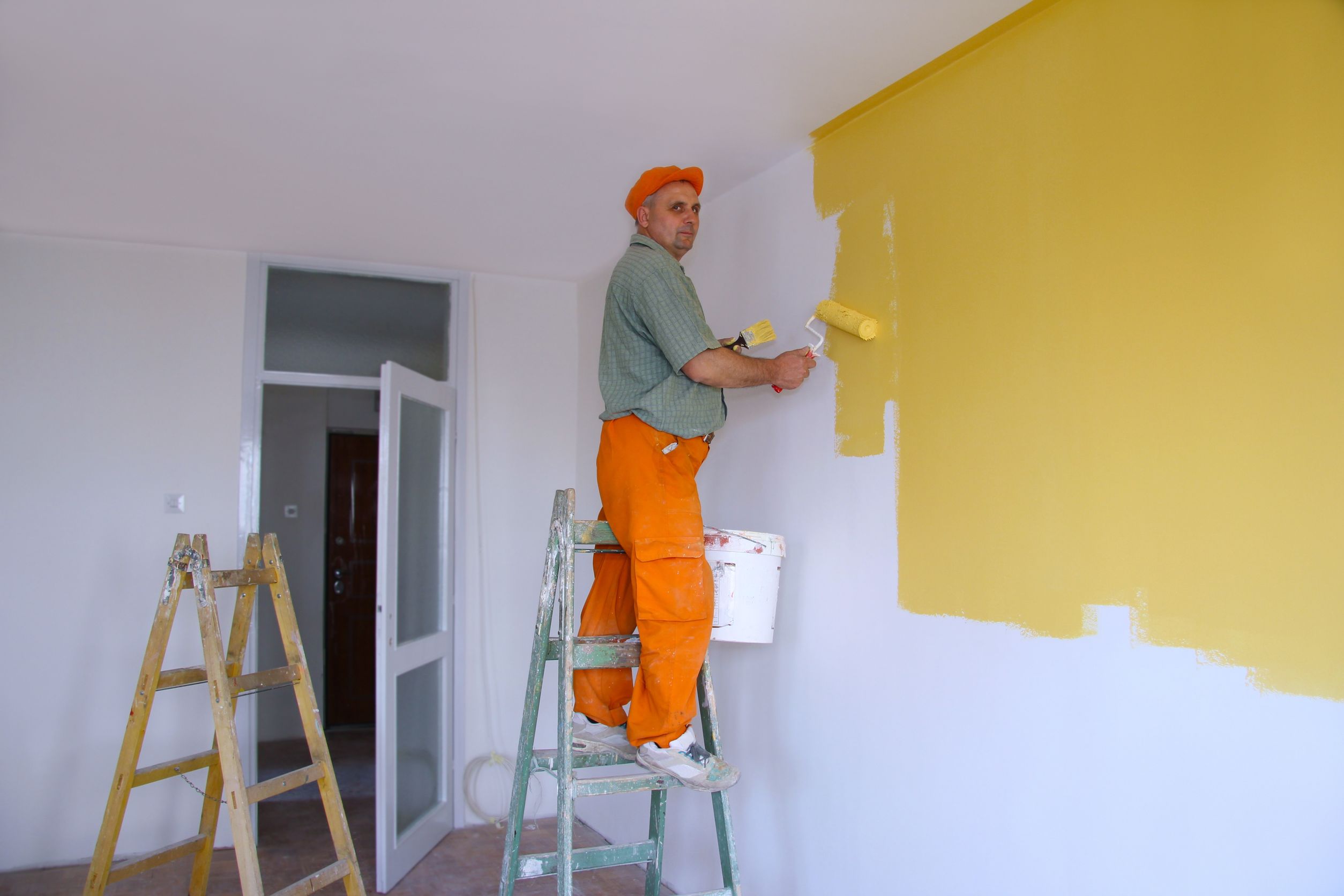
Office painting plays an important role in how a workplace looks, feels, and functions. In Henderson, NV, where businesses serve employees, clients, vendors, and visitors in competitive commercial settings, clean and well-maintained interior walls can support a more professional environment.
Paint color, finish, condition, and consistency all influence how people experience a workplace. While office furniture, lighting, flooring, and layout often receive the most attention, wall color and paint quality can also affect the overall impression of the space. For business owners and property managers, planning office painting at the right time can help maintain a cleaner, more organized, and more inviting commercial interior.
Why Office Walls Matter in a Business Environment
Office walls are one of the largest visible surfaces in a commercial interior. When walls are scuffed, faded, stained, patched unevenly, or marked from years of use, the space can feel older than it is. Even if the business operates well, worn walls may create the impression that the property has not been recently maintained.
Clean walls can help a workplace feel more organized and professional. This can matter in reception areas, meeting rooms, private offices, hallways, break rooms, and shared workspaces. Clients and visitors may form opinions quickly when entering a business, and the condition of the walls can contribute to that first impression.
Employees may also notice the condition of the workplace. A clean and updated office can help create a setting that feels more intentional and comfortable for daily work.
How Color Can Influence the Office Setting
Color can affect the mood and function of a workspace. While every business has different design needs, office painting should usually support the purpose of each area.
Neutral colors such as soft gray, warm white, beige, taupe, and light earth tones are often used in professional spaces because they create a clean backdrop for furniture, signage, and decor. These colors can help keep the office feeling open, calm, and flexible.
Accent colors may be used in reception areas, conference rooms, or branded walls to create visual interest. However, strong colors should be planned carefully. A bold wall may work well in one area but feel distracting if used across an entire office.
Lighting also affects how paint colors appear. A color sample may look different under natural sunlight, overhead office lighting, or warmer decorative lighting. Before selecting a final color, businesses should view samples in the actual space at different times of day.
When Should a Business Schedule Office Painting?
There is no single schedule for every office. Some spaces may need repainting every few years, while others may last longer depending on traffic, wall use, furniture movement, and cleaning habits.
High-traffic areas usually show wear first. Hallways, entryways, reception areas, copy rooms, break rooms, and restrooms often collect scuffs, fingerprints, and marks. Meeting rooms may show wear from chairs, tables, presentation equipment, or frequent use.
A business may also schedule office painting during a rebrand, remodel, lease renewal, tenant improvement, expansion, or move-in project. Property managers may repaint between tenants to create a clean starting point for the next business.
If walls look inconsistent, dated, or difficult to clean, it may be time to consider commercial interior painting services.
What Should Businesses Consider Before Painting?
Planning helps reduce disruption during an office painting project. Business owners and managers should begin by identifying which areas need attention and whether the work should be completed all at once or in phases.
In an active office, painting may need to happen after business hours, over weekends, or section by section. This can help employees continue working while the project moves forward. Businesses should also consider access to desks, conference rooms, storage areas, restrooms, and shared spaces.
Furniture, computers, files, wall decor, and equipment may need to be moved or covered before painting begins. A commercial painter can typically help explain what should be cleared from the walls and what needs protection.
Clear planning is especially important in offices that meet with clients or patients. Businesses may need to maintain a polished appearance during the project, even while certain areas are being painted.
Why Paint Finish Matters in Office Interiors
The paint finish should match the function of the room. Some finishes are easier to clean, while others help reduce glare or hide minor wall imperfections.
Flat or matte finishes may create a smooth appearance in low-traffic spaces, but they may not be ideal for areas that need frequent cleaning. Eggshell and satin finishes are common choices for office interiors because they offer a balance of appearance and durability. Semi-gloss finishes may be used on trim, doors, cabinets, and areas that need more frequent wiping.
Commercial interior painting services should account for how the space is used. A reception area, hallway, private office, and break room may not all require the same finish. Selecting the right finish can help the paint perform better over time.
How Clean Walls Support Workplace Maintenance
Office painting is not only about changing color. It can also help reset the appearance of a space after years of daily use. Fresh paint can cover stains, old patchwork, discoloration, and faded areas that regular cleaning may not fix.
Clean walls can also make other elements of the office look better. Flooring, furniture, signage, artwork, and lighting often appear more polished when the surrounding walls are updated.
After painting, businesses should create a simple maintenance plan. This may include cleaning high-touch areas, documenting paint colors for future touch-ups, and inspecting walls periodically for damage. Keeping paint information on file can make future repairs easier and more consistent.
How to Compare Commercial Painting Companies
When comparing commercial painting companies, businesses should look beyond price alone. Important factors include experience with office interiors, scheduling flexibility, surface preparation, communication, cleanliness, and the ability to work around an active business environment.
A commercial painter should be able to discuss the condition of the walls, the type of paint recommended, the project timeline, and how the space will be protected during the work. They should also clarify what is included in the preparation process, such as patching, sanding, priming, masking, and cleanup.
For businesses researching office painting in Henderson and the greater Las Vegas area, Excel Painting LLC provides information about their commercial painting services for interior and exterior business spaces. Their site outlines commercial painting work for offices, retail spaces, restaurants, warehouses, apartments, and other commercial properties.
Office Painting as Part of Long-Term Property Care
A well-maintained office can support a more professional and comfortable work environment. Paint condition, color, and finish all play a role in how the space feels to employees and visitors.
For Henderson businesses, office painting should be planned around daily operations, customer access, color goals, surface condition, and future maintenance. When handled thoughtfully, commercial interior painting services can help create a cleaner, more updated workplace without unnecessary disruption to the business.