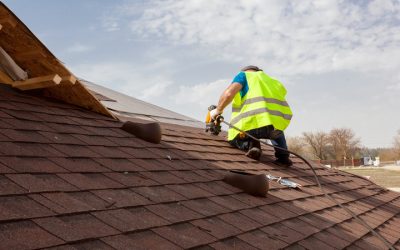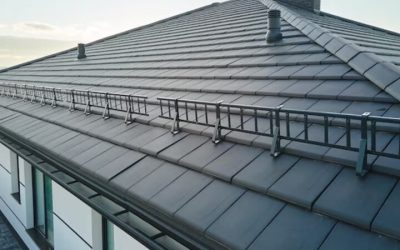
A roof ridge is the horizontal line where two sloping roof sections meet at their highest point. Its position and design influence how a residential roofing system handles ventilation, drainage, roof geometry, and the installation of surrounding components.
For homeowners in Peoria, AZ, the ridge is an important structural and functional part of the roof, even though it may not receive as much attention as the visible roofing material. Understanding its role can help homeowners better understand how different parts of a roof work together.
What Is a Roof Ridge?
The ridge is located at the highest point of a sloped roof where two roof planes come together. Depending on the home’s architecture, a roof may have one primary ridge or several ridges connecting different sections.
The ridge helps define the overall shape of a roof and influences the direction and slope of the surrounding roof planes. Its position can therefore affect how rainwater travels toward lower portions of the roof.
During a residential roof installation, the ridge must be considered as part of the complete roofing design rather than as an isolated feature.
How Does a Roof Ridge Affect Roof Drainage?
A roof ridge separates two sloping surfaces that direct water downward. Rain that lands near the ridge generally travels away from the highest point and toward the lower sections of the roof.
The relationship between the ridge, roof slope, valleys, eaves, and drainage components determines how water moves across the roofing system.
Complex roof designs may contain multiple ridges and intersecting roof planes. These configurations require careful planning because changes in slope and direction can influence how runoff reaches drainage points.
Does a Roof Ridge Affect Ventilation?
Yes. Roof ridges can be an important part of a roof’s ventilation design when ridge ventilation is incorporated into the system.
A properly planned ventilation system allows air to move through the attic or roof assembly according to the design of the property. Ridge vents can work with intake ventilation located lower on the roof to encourage airflow through the attic space.
However, ventilation requirements vary by roof design and construction. A residential roof company should consider the entire ventilation system, including intake and exhaust locations, rather than treating the ridge as the only factor.
How Does Roof Geometry Influence Ridge Design?
The shape of a home’s roof directly affects where ridges are located. Simple gable roofs may have one straightforward ridge, while homes with multiple roof sections can have several ridges, hips, valleys, and transitions.
These architectural features influence how the roofing system is assembled. They also affect the placement of roofing materials and the way different sections connect.
For homeowners considering additions or structural changes, understanding roof geometry is particularly important. Adding a new section to a home can create new intersections with the existing roof and may require careful coordination between the structures.
How Do Different Roofing Materials Work Around Roof Ridges?
Roof ridge details vary depending on the roofing material used. Shingle, tile, coating, and foam roofing systems each have different installation requirements.
With shingle roofing, ridge areas may incorporate specially designed ridge materials that complete the upper edge of the roof and integrate with ventilation when applicable.
Tile roofing requires careful consideration of how the tiles meet at the ridge. Proper placement and support help maintain the intended design of the roofing system.
Roof coatings require appropriate surface preparation and detailing around transitions and roof edges.
Foam roofing forms a continuous roofing surface, making proper grading, drainage, and detailing around roof features important to overall performance.
The roofing material should therefore be considered alongside the home’s roof geometry when planning installation or replacement.
Can Roof Ridges Affect the Appearance of a Home?
Yes. Roof ridges help define the architectural profile of a home. Their location, height, and relationship with other roof sections can influence how the property looks from different angles.
A home with multiple roof planes may have a more complex appearance because of several ridges and transitions. These features can also provide architectural definition without being separate decorative elements.
When homeowners consider exterior renovations, changes to the roof structure can affect both appearance and function. A roofing professional can evaluate how proposed changes may interact with the existing system.
What Should Homeowners Know About Ridge Construction?
The ridge is part of the roof’s overall structural and weather-protection system. Its performance depends on how the surrounding roof planes, roofing materials, ventilation components, and supporting structure are designed and installed.
A properly planned residential roofing system should account for these relationships from the beginning of a project. This is especially important for homes with multiple slopes or complicated roof layouts.
Skye Builders is a licensed Arizona roofing company providing services for both residential and commercial properties. They work with different roofing systems and can evaluate the specific requirements of a property when planning roofing work in Arizona.
Homeowners researching local roofing services can learn more about their Residential Roof Installation Peoria, AZ services in Peoria.
Why Is Roof Ridge Design Important?
Roof ridges influence more than the appearance of a home. They affect roof geometry, drainage, ventilation, material installation, and how different sections of a roofing system connect.
For homeowners in Peoria, understanding these details provides useful context when planning a new roof, evaluating an existing system, or considering changes to a home’s structure.
If you are planning a roofing project in Peoria, contact a qualified roofing professional to discuss your property’s structure, roofing requirements, and available options.